
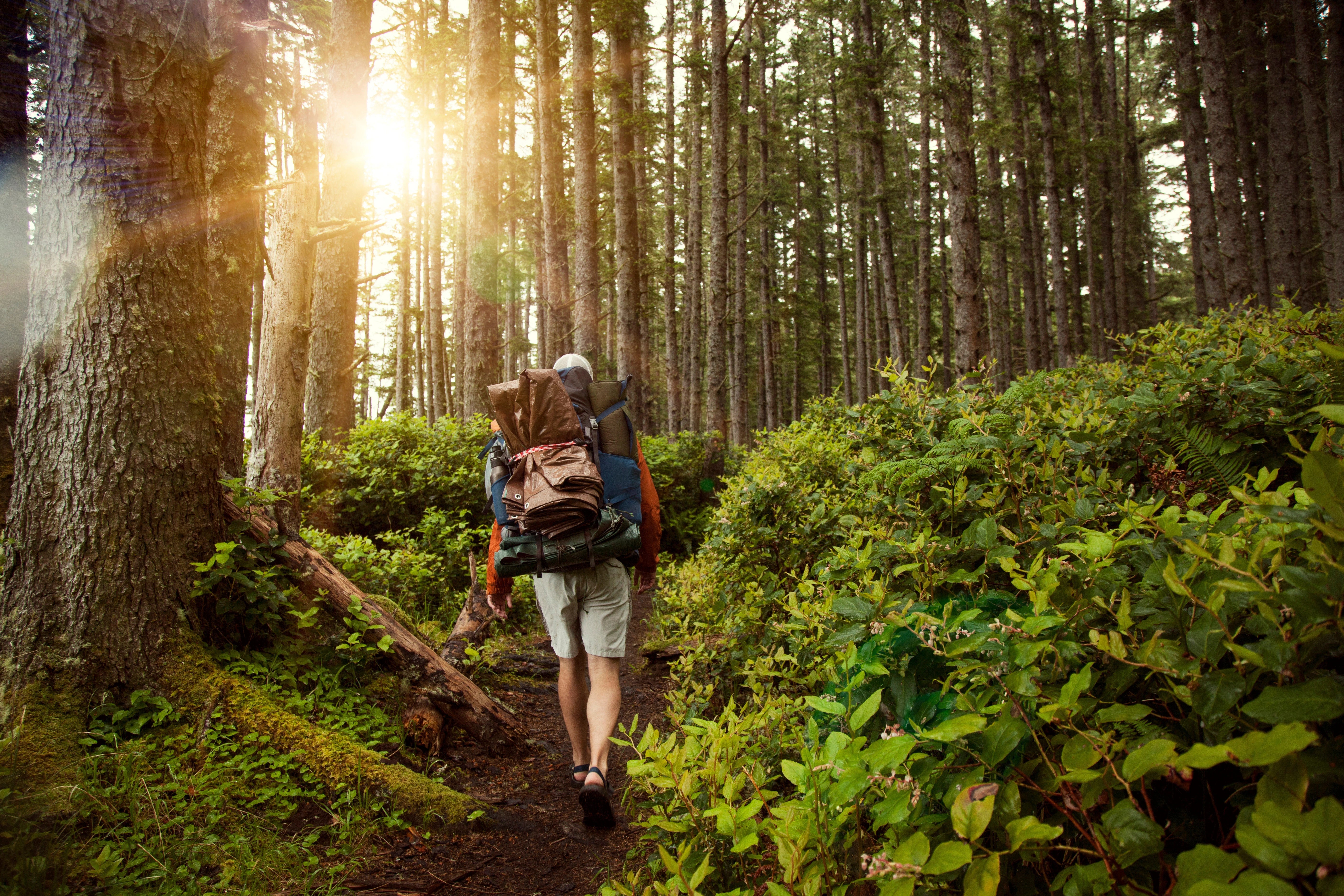
The Ultimate Hikers' Safety Guide, UK
The UK offers some of the most rewarding walking in the world. From the dramatic, cloud-shrouded peaks of Snowdonia to the windswept coastal paths of Cornwall, there's a lifetime of adventure waiting right on our doorstep. But these beautiful landscapes demand respect. The weather can turn in an instant and the terrain can be unforgiving.
Understanding how to prepare properly is what transforms a potentially difficult day into an unforgettable experience. This guide will provide you with a straightforward framework for hiking safety, covering everything you need to know before you lace up your boots.
Before You Leave: The P.L.A.N. for Success
Good preparation is the foundation of any safe hike. By thinking ahead, you can prevent most problems from ever happening. A simple and effective way to remember the important steps is to use the P.L.A.N. framework.
P - Prepare Your Route
First, choose a walk that suits your fitness level and the amount of daylight available. There's no point in planning a 15-mile mountain epic if you're just starting out. Use resources like Ordnance Survey (OS) maps or apps like AllTrails to study the terrain, the ascent, and any potential challenges. Check for local alerts. Are there forestry operations, path closures, or livestock in the fields you plan to cross? Knowing what to expect is the first step towards a good day out.
L - Look at the Weather
A general weather forecast for the nearest town isn't enough. For upland areas, you need a specific mountain forecast, which you can get from the Met Office. This will give you details on wind speed at different altitudes, precipitation, and the freezing level. Remember that for every 100 metres you climb, the temperature typically drops by about 1°C. A breezy day in the car park can be a full-blown gale on the summit.
A - Assemble Your Equipment
Having the right gear with you is a basic requirement for hiking safety. Even on a sunny day, a small rucksack with some core items can make all the difference. Your pack should always contain:
-
Navigation Tools: A map and compass are reliable backups that don't run out of battery. Carry a phone or GPS device too, but always have a power bank.
-
Waterproofs & Extra Layers: A waterproof jacket and trousers are non-negotiable in the UK. Also pack a spare fleece and a hat and gloves, even in summer.
-
Food & Water: Pack more than you think you'll need. High-energy snacks are great for morale and performance.
-
Headtorch: A simple headtorch and spare batteries are a must-have in case you're out longer than expected.
-
First-Aid Kit: A small personal kit to deal with blisters, cuts, and scrapes is a wise addition.
-
Emergency Shelter: A lightweight survival bag or emergency blanket takes up minimal space but can be a lifesaver.
N - Notify Someone
Before you set off, let a reliable friend or family member know where you are going, the route you are taking, and what time you expect to be back. Agree to contact them once you have finished your walk safely.
Gear Up for the Trail: Your First Line of Defence
While every item in your pack has a purpose, a couple of gear choices have an outsized impact on your comfort and safety on the trail.
It All Starts with Your Feet
The connection between your feet and the ground is fundamental to your safety and enjoyment. Well-fitting footwear with adequate grip prevents slips and falls, provides support for your ankles on rocky ground, and keeps your feet dry and comfortable, which helps to avoid blisters. The varied nature of the UK's trails means that a single type of boot won't suit every walk. Investing in quality footwear is non-negotiable for anyone serious about hiking. Whether you're tackling rocky paths or muddy trails, browsing a specialised collection of men's hiking footwear is the best place to start your search. For challenging, high-level routes in the Brecon Beacons, for example, a boot with robust ankle support and a waterproof Gore-Tex membrane, like the Roaming Nomads Apex Hiking Boots, provides the ultimate protection. If you're planning gentler walks along coastal paths, a lighter, more flexible option such as the Trailblazer Hiking Shoes will deliver all-day comfort and reliable grip.
Master the Art of Layering
The secret to staying comfortable in the UK's changeable weather is the layering system. It's simple: wear multiple thin layers rather than one thick one. A base layer wicks sweat away from your skin, a mid-layer (like a fleece) provides insulation, and an outer shell jacket protects you from wind and rain. This allows you to add or remove layers to perfectly regulate your temperature. Just be sure to avoid cotton clothing, as it absorbs moisture and will make you cold once you stop moving.
Smart Decisions for a Safe Hike
Once you're out walking, staying safe is about paying attention to your surroundings and your body.
Following Your Route
Don't wait until you're lost to look at your map. Get into the habit of checking it regularly, ticking off features like streams, walls, or path junctions as you pass them. This practice of confirming your position builds confidence and ensures a small error doesn't become a big problem.
Pacing, Fuel, and Hydration
Walk at a steady pace that you can maintain all day. Remember to drink water often, before you feel thirsty, and to eat snacks regularly to keep your energy levels up. It's also important to listen to your body. If you feel overly tired, or if the weather is closing in, don't be afraid to change your plan or turn back. The mountains and trails will still be there for you to enjoy another day.
In an Emergency
If something does go wrong for you or someone in your group, the first step is to stop and stay calm. Assess the situation without panicking. If you need outside assistance and have a phone signal, here's what to do:
-
Dial 999 or 111.
-
Ask for the Police.
-
Then ask for Mountain Rescue.
-
Be ready to give them your exact location (a grid reference from your OS map is ideal), the nature of the emergency, and the number of people in your group.
Hiking in the UK is a fantastic way to experience nature and challenge yourself. By combining thoughtful planning, the right equipment, and smart decisions on the trail, you create the conditions for a successful and enjoyable day out. This focus on hiking safety doesn't take away from the adventure; it gives you the confidence to fully embrace it.
Ready to step out on your next adventure? Ensure you have the right foundation by exploring our expert-curated gear at Roaming Nomads. Happy and safe hiking!